Industry & Manufacture
Just in Time Manufacturing JIT Strategies
Are you looking to streamline your manufacturing processes, reduce inventory costs, and boost efficiency? Just-in-Time Manufacturing (JIT) could be the answer. This powerful strategy focuses on producing goods only when they are needed, minimizing waste and maximizing resource utilization. This approach requires meticulous planning and execution, but the rewards – a leaner, more agile, and cost-effective operation – are well worth the effort. Let’s explore how JIT can benefit your business.
Key Takeaways:
- Just-in-Time Manufacturing (JIT) aims to produce goods only when there’s demand, minimizing inventory and waste.
- Successful JIT implementation relies on a strong supply chain, quality control, and workforce training.
- The benefits of JIT include reduced costs, improved efficiency, and increased responsiveness to customer needs.
- JIT requires a significant shift in mindset and processes, but the long-term gains can be substantial for us.
Understanding the Core Principles of Just-in-Time Manufacturing (JIT)
At its heart, Just-in-Time Manufacturing (JIT) is about eliminating waste in all its forms. This includes excess inventory, overproduction, waiting time, unnecessary transportation, defects, and inefficient processes. The core principles that drive JIT are:
- Produce only what is needed, when it is needed: This means closely aligning production with customer demand, avoiding the buildup of excess inventory.
- Minimize inventory: Inventory is seen as a liability, tying up capital and masking underlying problems. JIT seeks to reduce inventory to the bare minimum required to meet immediate needs.
- Continuous improvement (Kaizen): JIT is not a one-time fix but an ongoing process of identifying and eliminating inefficiencies. The Kaizen philosophy encourages everyone in the organization to contribute to improvement efforts.
- Respect for people: A successful JIT system relies on a well-trained and empowered workforce. Employees are encouraged to identify and solve problems, and their input is valued.
- Zero Defects: Striving for perfection. Quality is built into the process rather than inspected in at the end. This requires rigorous quality control throughout the production cycle.
Implementing Just-in-Time Manufacturing (JIT): A Step-by-Step Approach
Implementing Just-in-Time Manufacturing (JIT) requires careful planning and execution. Here’s a step-by-step approach to guide your implementation:
- Assess Your Current State: Understand your current production processes, identify areas of waste, and assess your supplier relationships. This baseline assessment will help you measure your progress.
- Simplify and Standardize: Streamline your processes by eliminating unnecessary steps and standardizing procedures. This makes it easier to control and improve your operations.
- Improve Supplier Relationships: JIT relies on reliable suppliers who can deliver high-quality materials on time. Build strong, collaborative relationships with your suppliers, sharing information and working together to improve efficiency.
- Implement Pull Systems: Switch from a push system (producing based on forecasts) to a pull system (producing based on actual demand). This requires close coordination between different stages of the production process.
- Train Your Workforce: JIT requires a well-trained and motivated workforce. Provide your employees with the skills and knowledge they need to identify and solve problems, and empower them to make improvements.
- Focus on Continuous Improvement: JIT is an ongoing process. Continuously monitor your processes, identify areas for improvement,
Top Supply Chains Innovation & Efficiency
Leveraging AI and Machine Learning for Predictive Analytics
Artificial intelligence (AI) and machine learning (ML) are revolutionizing supply chain management. These technologies are no longer futuristic concepts; they’re actively being deployed to predict demand fluctuations, optimize inventory levels, and proactively identify potential disruptions. Predictive analytics, powered by AI/ML, allow businesses to anticipate challenges like supplier delays or unexpected surges in demand, enabling them to adjust their strategies and mitigate potential risks before they materialize. This proactive approach translates to significant cost savings and improved customer satisfaction by ensuring timely delivery and minimizing stockouts.
Blockchain Technology: Enhancing Transparency and Traceability
Blockchain technology, initially known for its role in cryptocurrencies, is making inroads into supply chain management, offering unparalleled transparency and traceability. By recording every transaction and movement of goods on a secure, immutable ledger, blockchain provides a complete and auditable history of a product’s journey from origin to consumer. This enhanced visibility helps combat counterfeiting, improves product recall efficiency, and builds greater trust and accountability across the entire supply chain. Furthermore, it enables faster and more efficient customs clearance processes.
The Rise of Automation and Robotics in Warehousing and Logistics
Automation and robotics are rapidly transforming warehousing and logistics operations. Automated guided vehicles (AGVs), robotic arms, and automated storage and retrieval systems (AS/RS) are increasing efficiency, reducing labor costs, and improving accuracy in handling and processing goods. These technologies enable faster order fulfillment, reduce errors, and optimize warehouse space utilization. The integration of these systems also improves safety by minimizing human intervention in potentially hazardous tasks.
Internet of Things (IoT) for Real-Time Visibility and Data Collection
The Internet of Things (IoT) is providing real-time visibility into every stage of the supply chain. Sensors embedded in shipping containers, trucks, and even individual products can track location, temperature, humidity, and other crucial parameters. This data provides real-time insights into the status of shipments, enabling proactive intervention in case of delays or anomalies. Real-time monitoring and data analysis help in optimizing routes, improving delivery schedules, and minimizing losses due to damage or spoilage.
Implementing Advanced Analytics for Data-Driven Decision Making
Beyond predictive analytics, businesses are increasingly leveraging advanced analytics techniques such as data mining, statistical modeling, and simulation to gain deeper insights into their supply chain operations. This sophisticated data analysis can identify bottlenecks, inefficiencies, and areas for improvement that might be overlooked using traditional methods. By utilizing data-driven insights, companies can make informed decisions regarding optimization strategies, capacity planning, and risk mitigation.
The Importance of Supply Chain Collaboration and Visibility
Effective supply chain management isn’t just about technology; it’s about collaboration. Sharing information and insights across the entire supply chain – from suppliers to manufacturers, distributors, and retailers – is crucial for optimizing performance. Improved visibility across the network allows for better coordination, faster problem-solving, and increased responsiveness to changing market demands. Collaborative platforms and technologies are fostering greater transparency and information sharing, ultimately improving efficiency and resilience.
Sustainable Supply Chain Practices: Reducing Environmental Impact
Growing environmental concerns are pushing businesses to adopt
Top Supply Chain Consultants Reshaping Global Trade
The Rise of Data-Driven Supply Chain Optimization
The modern global supply chain is a complex beast, juggling intricate networks, fluctuating demand, and geopolitical uncertainties. To navigate this landscape, businesses are increasingly turning to supply chain consultants who bring expertise in data analytics, predictive modeling, and process optimization. These consultants are not just fixing existing problems; they’re building resilient, adaptable, and efficient supply chains fit for the future. This involves leveraging big data to forecast demand more accurately, optimize inventory levels, and identify potential disruptions before they impact operations. The ability to transform raw data into actionable insights is becoming a core differentiator in the consulting space.
Embracing Sustainability in Global Supply Chains
Consumer demand for ethical and sustainable products is growing exponentially, pushing companies to rethink their supply chain practices. Leading consultants are assisting businesses in integrating sustainability across the entire supply chain, from sourcing raw materials responsibly to reducing carbon emissions during transportation and manufacturing. This involves mapping supply chains to identify environmental hotspots, implementing circular economy principles, and helping clients meet stringent environmental regulations. The focus is no longer just on efficiency but on creating a supply chain that contributes positively to the environment and society.
Navigating Geopolitical Risks and Supply Chain Resilience
Recent events have highlighted the fragility of global supply chains, with disruptions caused by pandemics, political instability, and natural disasters. Consultants are playing a crucial role in helping businesses build more resilient supply chains that can withstand unforeseen shocks. This involves diversifying sourcing, strengthening risk management strategies, and developing contingency plans to mitigate the impact of disruptions. A key aspect is creating greater transparency and visibility throughout the supply chain, enabling quicker responses to unexpected events. The focus is shifting from just-in-time inventory models to more robust strategies that incorporate safety stock and alternative sourcing options.
Leveraging Technology for Enhanced Visibility and Control
Technology is revolutionizing the supply chain, and consultants are at the forefront of integrating cutting-edge solutions. This includes implementing advanced analytics platforms, utilizing blockchain for enhanced traceability, and deploying automation technologies like robotics and AI. These technologies provide greater visibility into supply chain operations, enabling businesses to track shipments in real-time, monitor inventory levels, and proactively address potential issues. Furthermore, consultants are advising companies on the best technology solutions to integrate with their existing systems and processes, ensuring a seamless transition and maximum efficiency gains.
The Importance of Talent Development and Workforce Upskilling
A successful supply chain relies on skilled professionals. Consultants are increasingly involved in helping companies develop their workforce, focusing on upskilling employees to manage the complex technologies and processes driving change. This includes providing training programs in areas like data analytics, supply chain management software, and digital transformation. Investing in talent is no longer an optional add-on but a critical element in building a future-ready supply chain. The ability to attract, retain, and develop skilled personnel is a key factor in a company’s competitive advantage.
Focus on Collaboration and Ecosystem Management
Effective supply chain management requires collaboration across multiple
Supply Chain Resilience A Practical Guide
Understanding Supply Chain Vulnerabilities
Before building resilience, you need to know your weaknesses. This involves a thorough assessment of your entire supply chain, identifying potential disruptions at every stage. Consider factors like geographical concentration of suppliers, reliance on single sourcing, vulnerability to natural disasters, geopolitical instability, and potential pandemic outbreaks. A detailed risk assessment, possibly using a SWOT analysis or similar framework, is crucial. Mapping your supply chain visually can also highlight dependencies and pinch points.
Diversifying Your Supplier Base
Putting all your eggs in one basket is a recipe for disaster. Reducing reliance on single suppliers is a fundamental step toward resilience. This doesn’t necessarily mean finding completely identical alternatives; it means diversifying geographically, exploring different supplier capabilities, and building relationships with multiple providers who can offer similar products or services. A tiered supplier strategy, with primary and secondary suppliers, provides backup options when disruptions occur.
Building Strong Supplier Relationships
Strong relationships are more than just transactional; they’re built on trust, communication, and mutual benefit. Open communication channels help anticipate and mitigate potential disruptions. Regular meetings, joint planning sessions, and collaborative problem-solving demonstrate commitment. Consider developing long-term contracts with key suppliers to ensure stability and predictable pricing, while also establishing clear performance expectations and service level agreements.
Investing in Technology and Data Analytics
Real-time visibility into your supply chain is paramount. Investing in technology such as supply chain management software (SCM), blockchain technology, and advanced analytics provides crucial data-driven insights. This allows for proactive identification of potential bottlenecks, risk mitigation strategies, and better demand forecasting. Real-time tracking of shipments, inventory levels, and supplier performance enables faster responses to disruptions and improved decision-making.
Developing Agile and Flexible Processes
Rigidity is the enemy of resilience. Your processes need to be adaptable to changing circumstances. This means implementing lean principles to reduce waste and improve efficiency, streamlining operations to optimize flow, and building flexibility into your production schedule. Developing contingency plans for various scenarios – from natural disasters to sudden demand spikes – is crucial. Regularly testing and updating these plans ensures readiness.
Improving Inventory Management
Finding the right balance between inventory levels and carrying costs is essential. Holding excessive inventory ties up capital and increases risk of obsolescence, while insufficient stock leaves you vulnerable to disruptions. Employing sophisticated inventory management techniques, such as just-in-time (JIT) inventory, safety stock planning, and demand forecasting, helps optimize inventory levels and improve response times to disruptions. Consider near-shoring or regionalization to reduce lead times and transportation costs.
Enhancing Security Measures
Supply chain security is multifaceted. Protecting your physical assets, information systems, and intellectual property are all vital. This includes implementing robust cybersecurity measures, physical security at facilities, and rigorous supplier vetting processes. Regular security audits and training programs ensure that all employees and partners understand and comply with security protocols, minimizing vulnerabilities to theft, cyberattacks, and other security breaches.
Building a Culture of Resilience
Resilience isn’t just about processes and technology; it’s about mindset. Foster a culture of continuous improvement, proactive risk management, and collaboration
Streamlining Your Supply Chain New Solutions
Embracing AI-Powered Predictive Analytics
The old ways of forecasting demand often relied on gut feelings and historical data, leaving businesses vulnerable to unexpected swings in the market. Now, advanced AI algorithms can analyze vast datasets, incorporating real-time sales figures, social media trends, economic indicators, and even weather patterns to create remarkably accurate demand predictions. This allows businesses to optimize inventory levels, reduce waste from overstocking, and prevent stockouts that halt production or disappoint customers. The accuracy gained from predictive analytics reduces lead times and allows for smoother, more efficient resource allocation across the entire supply chain.
Leveraging Blockchain for Enhanced Transparency and Traceability
Blockchain technology offers a secure and transparent way to track products as they move through the supply chain. From raw materials to finished goods, every transaction and movement is recorded on a shared, immutable ledger. This increased visibility improves accountability, reduces the risk of counterfeiting, and speeds up recalls if necessary. Moreover, stakeholders across the supply chain – manufacturers, distributors, retailers, and even consumers – can access real-time information, enhancing collaboration and trust. This level of transparency allows for quicker identification of bottlenecks and inefficiencies, leading to improved responsiveness and operational efficiency.
Automating Warehouse Operations with Robotics and Automation
Warehouses are often the bottleneck in many supply chains. Manual processes, such as picking, packing, and shipping, can be slow, error-prone, and expensive. Implementing robotic process automation (RPA) and collaborative robots (cobots) can significantly streamline warehouse operations. Robots can handle repetitive tasks with speed and accuracy, freeing up human workers to focus on more complex tasks that require problem-solving and critical thinking. Automated guided vehicles (AGVs) and automated storage and retrieval systems (AS/RS) further optimize space utilization and reduce handling time, resulting in faster order fulfillment and reduced operational costs.
Optimizing Transportation and Logistics with Real-Time Visibility
Getting products to their destination efficiently and cost-effectively is crucial. Real-time tracking and monitoring of shipments, using GPS and IoT sensors, provide unparalleled visibility into the movement of goods. This allows businesses to proactively address potential delays, optimize routes, and improve delivery times. Integration with route optimization software helps to minimize fuel consumption, reduce transportation costs, and improve overall supply chain efficiency. Furthermore, real-time data can be used to identify areas for improvement in transportation logistics, such as optimizing delivery schedules or consolidating shipments.
Improving Supplier Relationships Through Collaborative Platforms
Strong supplier relationships are the cornerstone of a resilient supply chain. Collaborative platforms provide a centralized hub for communication and information sharing between businesses and their suppliers. These platforms facilitate efficient ordering, inventory management, and payment processing. They also allow for better communication regarding potential disruptions, allowing for proactive mitigation strategies. By fostering transparency and collaboration, these platforms help to build stronger, more reliable relationships, leading to a more robust and efficient supply chain.
Implementing a Robust Inventory Management System
Effective inventory management is critical to avoid both stockouts and excessive inventory. A robust inventory management system (IMS) provides real-time visibility into inventory levels, allowing for accurate forecasting and optimized ordering.
Jusda’s Supply Chain Faster, Smarter, Stronger
Jusda’s Commitment to Supply Chain Excellence
Jusda’s success hinges on a robust and adaptable supply chain. We’re not just moving goods; we’re building relationships, optimizing processes, and constantly striving for improvement. Our commitment to excellence permeates every aspect of our operations, from sourcing raw materials to delivering finished products to our customers. It’s a commitment fueled by a dedication to transparency, efficiency, and unwavering quality.
Faster: Streamlining Processes for Speed and Agility
In today’s fast-paced market, speed is paramount. Jusda has invested heavily in technology and process optimization to achieve unprecedented levels of efficiency. This includes implementing advanced inventory management systems, utilizing real-time data analytics, and streamlining communication across our global network. This integrated approach enables us to respond swiftly to market demands and ensure timely delivery, regardless of geographical location or product complexity.
Smarter: Leveraging Data and Technology for Optimal Decisions
We believe that data is the key to unlocking supply chain excellence. Jusda employs sophisticated data analytics tools to gain deep insights into our operations, identifying potential bottlenecks, predicting future trends, and optimizing resource allocation. This data-driven approach allows us to make informed decisions, proactively address challenges, and consistently improve our performance. From predictive maintenance to demand forecasting, technology is at the heart of our smarter approach to supply chain management.
Stronger: Building Resilient and Sustainable Supply Chains
Building a truly strong supply chain requires more than just speed and efficiency. It requires resilience and sustainability. Jusda is committed to developing a network that can withstand unforeseen disruptions, whether they are caused by natural disasters, geopolitical events, or global pandemics. We diversify our sourcing, build strong relationships with our suppliers, and implement robust contingency plans to ensure business continuity. Furthermore, we are dedicated to sustainable practices, minimizing our environmental footprint and promoting ethical sourcing throughout our supply chain.
Collaboration: Partnering for Mutual Success
Jusda’s success isn’t solely reliant on our internal capabilities. We believe in the power of collaboration. We work closely with our suppliers, logistics partners, and customers to foster strong, mutually beneficial relationships. Open communication and transparency are crucial to building trust and ensuring that everyone is aligned with our shared goals. This collaborative approach enables us to overcome challenges, identify new opportunities, and create a truly synergistic supply chain.
Continuous Improvement: A Journey, Not a Destination
At Jusda, we view supply chain optimization as an ongoing journey, not a destination. We are constantly evaluating our processes, seeking new technologies, and exploring innovative strategies to improve our performance. Our commitment to continuous improvement is reflected in our regular performance reviews, our investment in employee training, and our willingness to embrace change. This proactive approach allows us to stay ahead of the curve and maintain our competitive edge in a dynamic global market.
Investing in People: The Human Element of Success
Ultimately, the strength of Jusda’s supply chain lies in our people. We invest heavily in training and development, fostering a culture of collaboration, innovation, and continuous learning. Our employees are empowered to contribute their ideas and
NetSuite SCM Streamlining Your Supply Chain
Understanding the Challenges of Modern Supply Chains
Today’s businesses face increasingly complex supply chains. Global sourcing, fluctuating demand, and the need for rapid response to market changes create significant challenges. Inefficient processes lead to increased costs, stockouts, delays, and ultimately, unhappy customers. Visibility into the entire supply chain is often lacking, making it difficult to identify and address problems proactively. This lack of control can cripple even the most successful companies.
NetSuite SCM: A Comprehensive Solution
netsuite supply chain management (SCM) offers a unified platform to streamline and optimize your entire supply chain. It integrates seamlessly with other NetSuite modules, providing a single source of truth for all your business data. This integration eliminates data silos and improves collaboration across departments, from procurement to fulfillment. No more juggling multiple spreadsheets and disparate systems; NetSuite provides a centralized, real-time view of your entire operation.
Improved Demand Planning and Forecasting
Accurate demand forecasting is crucial for effective supply chain management. NetSuite SCM’s advanced forecasting tools leverage historical data, market trends, and seasonality to predict future demand with greater accuracy. This allows businesses to optimize inventory levels, minimizing stockouts and reducing the risk of overstocking. The system also supports collaborative forecasting, allowing different departments to contribute their expertise and insights.
Streamlining Procurement Processes
NetSuite SCM simplifies and automates the procurement process from requisition to payment. It helps businesses manage supplier relationships more effectively, negotiating better terms and ensuring timely delivery of goods. Automated purchase order generation and approval workflows reduce manual errors and accelerate the procurement cycle. The system also provides comprehensive visibility into supplier performance, allowing businesses to identify and address potential risks.
Optimizing Warehouse Management
Efficient warehouse operations are essential for on-time delivery and customer satisfaction. NetSuite SCM’s warehouse management system (WMS) provides tools to optimize inventory control, picking, packing, and shipping processes. Real-time inventory tracking helps ensure accuracy and minimize discrepancies. The system supports various warehouse layouts and processes, adapting to the specific needs of different businesses. Integration with barcode scanners and other warehouse technologies further streamlines operations.
Enhanced Order Management and Fulfillment
From order placement to delivery, NetSuite SCM provides a streamlined and efficient order management process. The system automates order processing, tracking, and fulfillment, reducing manual intervention and improving accuracy. Real-time order visibility allows businesses to track shipments, proactively address delays, and keep customers informed about the status of their orders. This improved transparency enhances customer satisfaction and strengthens brand loyalty.
Gaining Real-Time Visibility and Control
One of the key benefits of NetSuite SCM is the real-time visibility it provides into every aspect of the supply chain. Businesses can monitor key performance indicators (KPIs), identify bottlenecks, and proactively address potential problems. This improved visibility enables data-driven decision-making, optimizing processes and improving overall efficiency. The system provides customizable dashboards and reports, allowing businesses to track the metrics most important to their success.
Improved Collaboration and Communication
NetSuite SCM facilitates better collaboration and communication across different departments and stakeholders. A centralized platform eliminates data silos and ensures everyone is working
Cash Flow Mastering the Modern Supply Chain
Understanding the Crucial Role of Cash Flow in Supply Chain Management
The modern supply chain is a complex web of interconnected processes, from sourcing raw materials to delivering finished goods. While efficiency and optimization are paramount, the often-overlooked linchpin of a successful operation is cash flow. A robust cash flow management system ensures that businesses have the necessary funds to procure materials, pay suppliers, meet operational expenses, and ultimately, deliver profits. Without sufficient cash, even the most meticulously planned supply chain can grind to a halt.
Predictive Analytics and Forecasting for Proactive Cash Management
Gone are the days of relying solely on historical data for supply chain forecasting. Today, advanced analytics and predictive modeling offer a more accurate picture of future demand and potential disruptions. By integrating real-time data from various sources – sales, inventory, market trends, and even weather patterns – businesses can anticipate fluctuations in cash flow and proactively adjust their strategies. This proactive approach enables them to secure necessary funding, negotiate better payment terms with suppliers, and avoid costly delays.
Optimizing Inventory Levels to Enhance Cash Flow
Excess inventory ties up significant capital, hindering cash flow. Implementing effective inventory management techniques, such as Just-in-Time (JIT) inventory systems, can significantly improve cash flow. JIT minimizes storage costs and reduces the risk of obsolescence by synchronizing production with actual demand. Sophisticated inventory tracking systems, coupled with accurate demand forecasting, allow businesses to maintain optimal stock levels, ensuring sufficient materials without excessive investment.
Negotiating Favorable Payment Terms with Suppliers and Customers
Negotiating favorable payment terms is crucial for managing cash flow effectively. Strong relationships with suppliers can lead to extended payment periods, providing much-needed breathing room. Conversely, offering attractive payment terms to customers can accelerate cash collection. Analyzing the cost of different payment options – early payment discounts versus extended credit periods – helps determine the most financially advantageous strategy for both suppliers and customers. A well-structured payment strategy can significantly impact the overall cash flow of the supply chain.
Embracing Technology for Streamlined Cash Flow Processes
Technology plays a pivotal role in optimizing cash flow within the modern supply chain. Automated invoice processing, electronic payments, and integrated financial systems significantly reduce manual tasks and errors, accelerating payment cycles and improving accuracy. Cloud-based platforms provide real-time visibility into cash flow, enabling businesses to monitor their financial health and make informed decisions. The adoption of such technologies is no longer a luxury but a necessity for maintaining a healthy cash flow and gaining a competitive edge.
Building Resilience and Adaptability in the Face of Disruptions
Unexpected events – natural disasters, geopolitical instability, or pandemics – can severely disrupt supply chains and impact cash flow. Building resilience involves creating contingency plans, diversifying sourcing strategies, and securing backup supply channels. Investing in robust risk management systems, including insurance and hedging strategies, helps mitigate potential financial losses from unexpected disruptions. Adaptability and flexibility are critical to navigating unforeseen circumstances and safeguarding cash flow during challenging times.
The Importance of Collaboration and Communication Across the
The Unsung Heroes of the Factory Floor A Deep Dive into Industrial Safety Guards
Factories and industrial settings are dynamic environments, buzzing with activity, machinery, and potential hazards. Amidst the organized chaos, one crucial element often goes unnoticed, yet plays a critical role in protecting workers: industrial safety guards. These seemingly simple barriers are the first line of defense against workplace injuries, ensuring that employees can perform their tasks safely and efficiently.
What are Industrial Safety Guards?
Industrial safety are physical barriers designed to protect workers from contact with dangerous machinery, moving parts, or other workplace hazards. They are not merely an afterthought; they are an integral part of a safe and productive work environment. These guards can take many forms, from simple enclosures around belts and pulleys to complex interlock systems that shut down machinery when a guard is opened.
The Importance of Industrial Safety Guards: Beyond Compliance
The primary purpose of industrial safety is to prevent accidents and injuries. This includes preventing contact with rotating parts, sharp edges, pinch points, and other hazards. But the importance of industrial safety extends beyond mere compliance with safety regulations. They also contribute to a more productive work environment. When workers feel safe, they are more focused and efficient, leading to increased output and reduced downtime.
Types of Industrial Safety Guard: A Diverse Arsenal
Industrial safety come in a variety of shapes and sizes, each designed to address specific hazards. Some common types include:
- Fixed Guards: These guards are permanently attached to the machine and provide a constant barrier. They are ideal for hazards that are always present.
- Adjustable Guards: These guards can be adjusted to accommodate different work processes or material sizes. They offer flexibility while still providing protection.
- Interlock Guards: These guards are designed to shut down the machine when the guard is opened. They provide a high level of protection, especially for tasks that require access to the machine’s interior.
- Light Curtains: These guards use beams of light to detect when a worker’s hand or other body part enters a hazardous area. They can quickly shut down the machine to prevent injury.
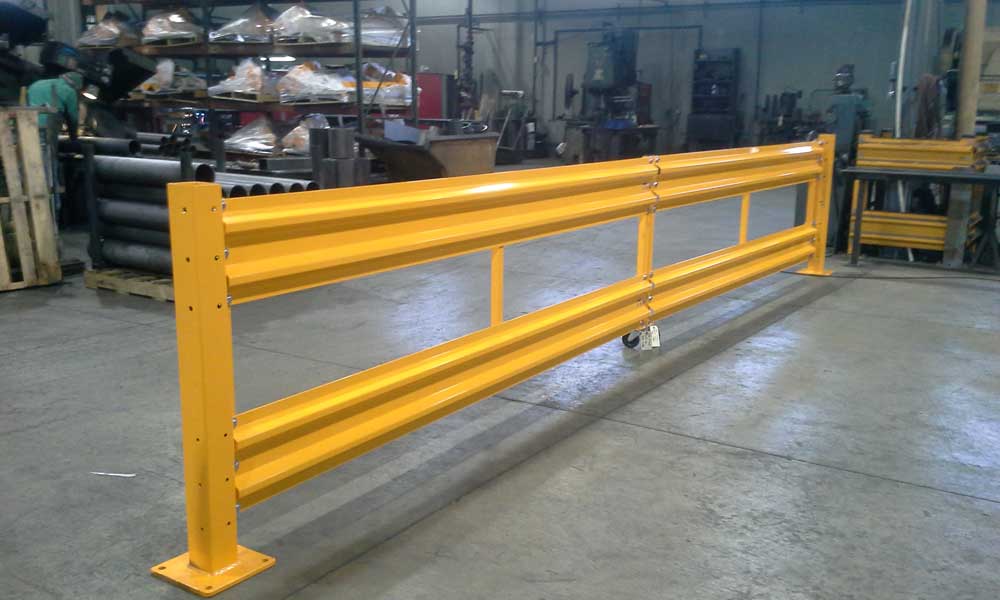
- Barrier Guards: These guards, such as railings and fences, are used to restrict access to hazardous areas.
Designing Effective Industrial Safety Guard: A Multifaceted Approach
Designing effective industrial safety requires a multifaceted approach. It’s not just about putting up a barrier; it’s about understanding the specific hazards involved and designing a guard that effectively mitigates those risks. Key considerations include:
- Hazard Assessment: A thorough hazard assessment is essential to identify all potential hazards associated with the machine or process.
- Material Selection: The guard should be made of a durable material that can withstand the forces it may encounter.
- Design and Construction: The guard should be designed and constructed to be strong, stable, and easy to install and maintain.
- Accessibility: The guard should not interfere with the machine’s operation or make it difficult to perform maintenance tasks.
- Ergonomics: The guard should be designed to minimize worker fatigue and discomfort.
Implementing Industrial Safety Guards: A Step-by-Step Process
Implementing industrial safety is a systematic …